

anselley.info Logo anselley.info Get Started
Get Started

Bring Generations Together

Plan meaningful activities that connect grandparents, parents, and kids. From weekend picnics to volunteer projects to group fitness — we've got ideas that actually work for busy families.

40+ Event Ideas
12 Guides & Tips
All Ages Welcome
Multi-generational family enjoying outdoor activities together in a sunny park

Why Multi-Generational Time Matters

We're not here to tell you what to do. But we know from talking to families that the best weekends happen when grandparents and grandkids actually have fun together — not because someone planned the "perfect" activity, but because they found something that works for everyone.

That's what we focus on. Real activities. Honest advice. Ideas you can actually pull off on a Saturday morning without weeks of planning. Whether it's a picnic, a volunteer day at the community garden, or a group fitness class where both your 50-year-old mom and your 10-year-old kid show up — these moments matter.

Easy to schedule
Works across ages
Local & accessible
Builds real bonds
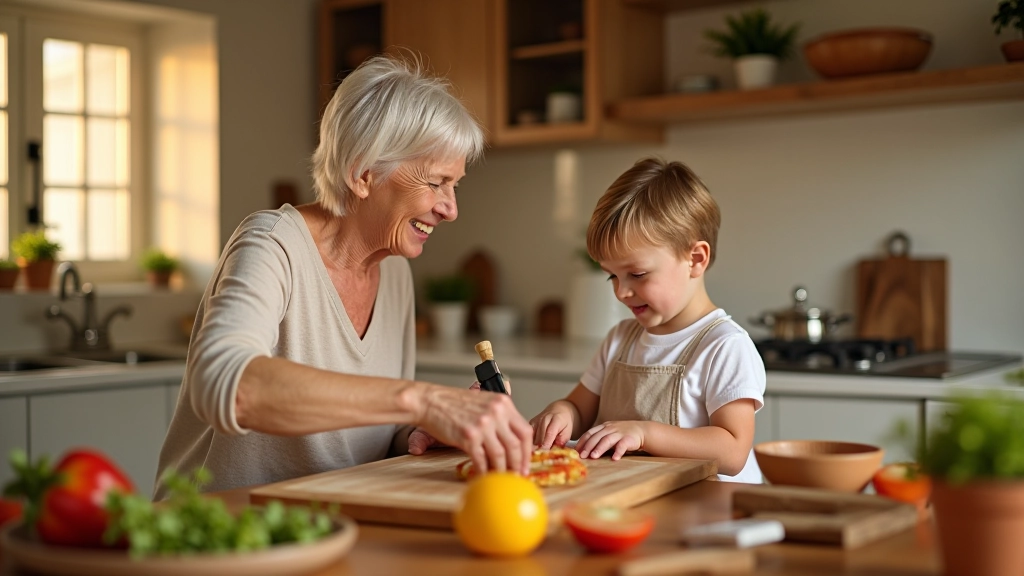
Grandparent and grandchild laughing together while preparing food in a bright, modern kitchen

Questions We Hear All The Time

Planning multi-generational activities feels like it should be simple, but there's always that one thing you're wondering about.

How do I find activities that work for adults 40-60 AND kids?

Start by asking what actually interests people, not what you think should interest them. A grandparent who loves hiking isn't automatically going to enjoy a kids' activity class. Look for things with natural crossover — volunteer work, outdoor adventures, group fitness where ages mix anyway. We've got guides on all of these.

What if people have different fitness levels?

That's actually the whole point. Group activities like community walks, water fitness, or recreational sports don't require everyone to perform at the same level. People move at their own pace. It's not a competition — it's just people doing something together.

How often should we be doing this?

There's no magic number. Some families do something together twice a month. Others aim for quarterly big events. The consistency matters less than the commitment. Even once a month creates meaningful connections. Pick a rhythm that actually works with everyone's schedules.

Are these activities free?

Many are, especially volunteer opportunities and local group activities. Some might have small fees or costs depending on what you choose. We focus on accessible options — the kind of things families can actually do regularly without breaking the budget.

Resources & Planning Guides

Real guidance for planning events that work. Tested ideas from families who've actually done this.
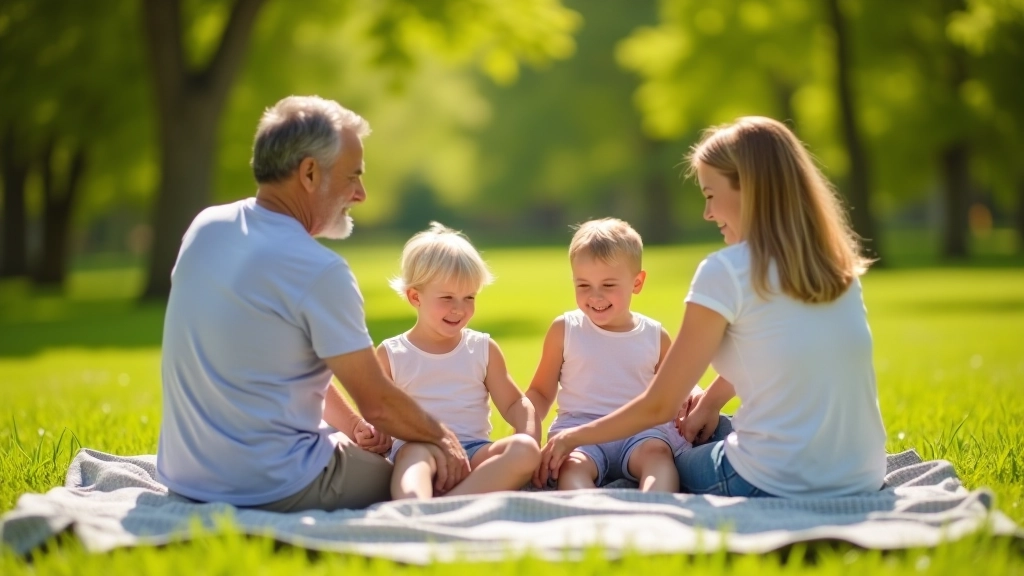
Grandparents and grandchildren sitting together on a picnic blanket in a park during sunny afternoon

Planning Your First Multi-Generational Picnic

A practical guide to organizing outdoor picnics that work for active grandparents and energetic kids. Covers food planning, games everyone enjoys, and logistics that actually work.

Read Guide
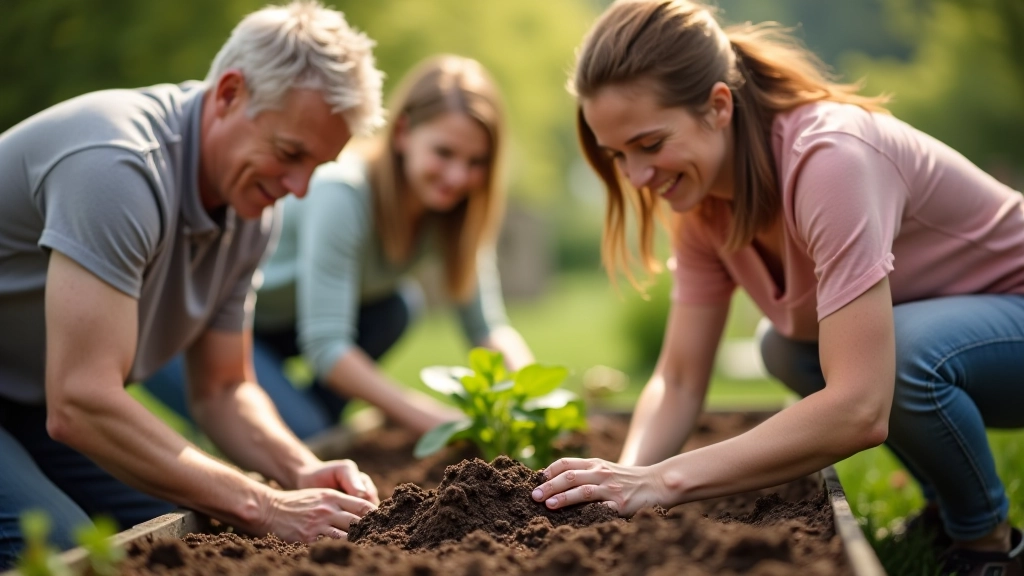
Group of diverse adults and teenagers volunteering together at community garden, planting vegetables in raised beds

Community Volunteer Projects That Bring Families Together

Finding volunteer opportunities that work across generations isn't always easy. We've compiled what actually works — from food banks to park cleanups to mentoring programs.

Read Guide

Adult fitness class in bright studio with participants of various ages exercising together on mats

Group Fitness for Multi-Generational Families: What Works

Walking groups, water aerobics, dance classes — activities that keep adults aged 40-60 moving while kids stay engaged. Honest talk about what actually gets people to show up consistently.

Read Guide

What Actually Happens When You Do This Regularly

It's not about the activity itself. It's about what builds between people when they show up together.

Better Conversations

Walking together or working on a project creates natural space for talking. Kids open up differently when you're side-by-side instead of facing each other at a dinner table.

Shared Identity

When a family volunteers together or shows up to the same fitness class consistently, it becomes part of who you are together. That matters more than you'd think.

Real Memories

The goofy moments. The surprising discoveries about what people are good at. The inside jokes. These stick with people for years in ways perfect plans never do.

Healthier Habits

When fitness or outdoor activity is a family commitment, people stick with it longer. You're not exercising alone — you're showing up for people you care about.

Community Connection

Volunteering together means your family becomes part of something larger. Kids see adults caring about the neighborhood. That teaches more than any lecture could.

Discovering New Interests

Sometimes a kid discovers they actually love hiking because their grandparent does. Sometimes a grandparent gets into rock climbing because of a grandkid. You don't know until you try.

How to Get Started

This doesn't need to be complicated. Here's a straightforward way to begin planning your first event.

01

Ask What People Actually Want

Don't assume. Ask the grandparents, ask the kids, ask the parents. What does your 45-year-old mom enjoy? What gets your 8-year-old excited? Start with that instead of trying to find the "perfect" activity.

02

Pick Something Accessible

Local volunteer opportunities. A park within 20 minutes. A fitness class in your neighborhood. Start small and nearby. You're building a habit, not planning a vacation.

03

Set a Regular Time

Second Saturday of the month. Every Thursday evening. Whatever rhythm works. Consistency matters more than frequency. People plan their lives around what they know is happening.

04

Keep It Simple First

You don't need elaborate plans. A picnic with sandwiches you made at home. A walk at a park. A community garden project. Simple activities work because people focus on being together, not managing logistics.

Types of Events That Work

These are the categories we focus on because they've proven to engage multiple generations in meaningful ways.

Outdoor Picnics & Gatherings

Picnics work because they're low-pressure. Food, open space, games if people want them. Grandparents can rest under a tree. Kids can run around. Everyone's comfortable.

Community Volunteering

Food banks, park cleanups, mentoring programs, community gardens. Working together on something meaningful creates a different kind of bond than just spending time together.

Group Fitness & Movement

Walking groups, water aerobics, gentle yoga, dance classes, recreational sports. Movement activities work across ages when they're inclusive and not competitive.

Games & Recreation

Board games at home, lawn games at parks, low-key sports. Anything where the point is having fun together, not winning. Families remember these moments.

Outdoor Adventures

Hiking, nature walks, kayaking, camping. Vary the difficulty and distance so different ages can participate at their own level. Nature is naturally engaging for everyone.

Learning Together

Museum visits, workshops, cultural events, skill-sharing. When someone teaches someone else something new — cooking, photography, gardening — connection happens naturally.

From Families Who've Done This

"We started doing Saturday morning walks together six months ago. It wasn't anything fancy — just three miles through the neighborhood. But honestly, my dad talks to my kids differently now. There's something about walking side-by-side that opens people up. Plus my mom's been more consistent with exercise than she ever was at a gym."

— Jennifer, parent of two

"The volunteer day at the community garden was the first time I saw my grandkids actually interested in where food comes from. They're still asking questions about it. It's wild what can happen when you're working on something together instead of just sitting around."

— Marcus, grandfather

"My whole family does the Tuesday evening fitness class. My mom goes, I go, my teenager goes. Nobody's judging anyone's fitness level. It's just people showing up for each other. That's actually made a difference in how we interact at home."

— Sofia, age 47

"Wasn't sure the picnic idea would work with my kids' energy levels and my parents' need to sit down every 20 minutes. But we've done it four times now and figured out what works. My dad brings a chair, we bring games, everyone's happy. It's become our thing."

— David, father of three

Ready to Plan Something Together?

We've got guides, ideas, and real advice from families who've done this. Start with one of our planning guides, or reach out if you want to talk through what might work for your family.

Our Approach

We don't believe in one-size-fits-all solutions or overly complicated planning. Here's what guides everything we do.

Real Over Perfect

Imperfect picnics where someone forgot the plates are better than perfectly planned events nobody shows up to. We focus on what actually happens in real families' lives.

Accessible First

Activities should fit into people's regular schedules and budgets. If you need to plan six months in advance or spend hundreds of dollars, it's not accessible. We focus on what families can actually do.

Inclusive Across Ages

Activities work when they're designed for mixed ages from the start — not when you try to force a kids' activity to include adults. We look for natural crossover points.

Honest About Challenges

Multi-generational time isn't always easy. Different fitness levels, different interests, different energy. We talk about that instead of pretending it's all simple.