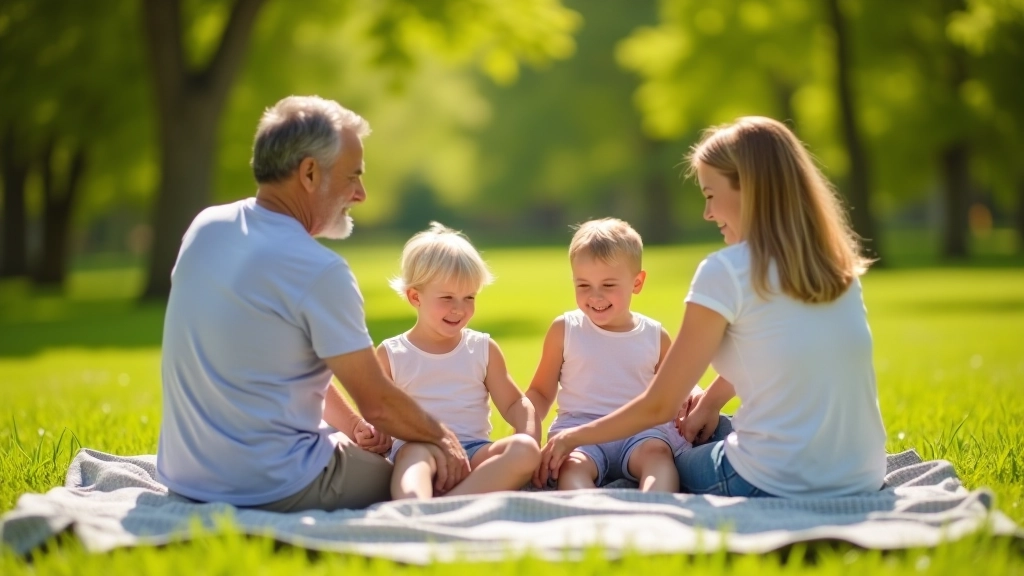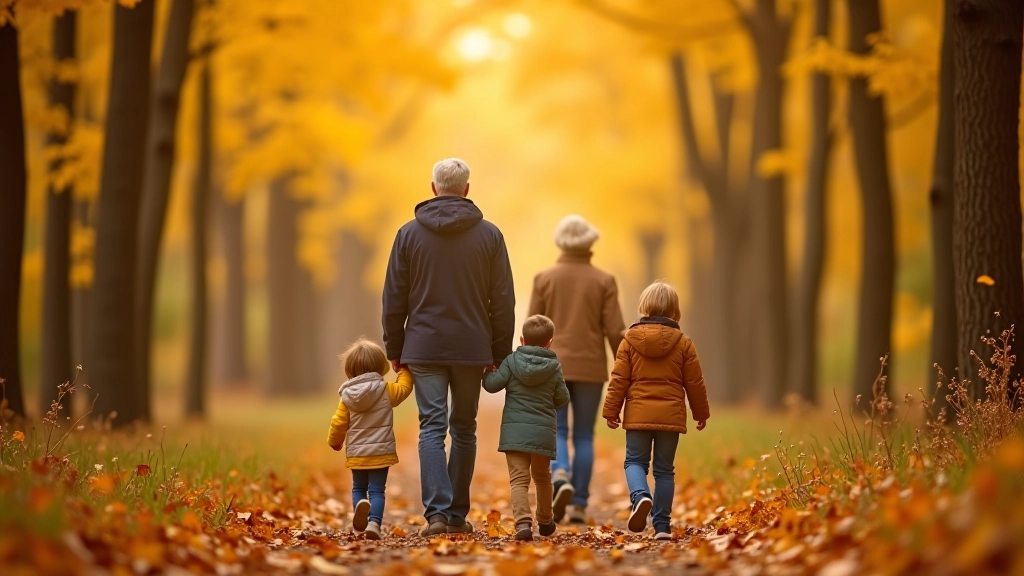
Group Fitness for Multi-Generational Families: What Works
Walking groups, water aerobics, dance classes — activities that keep adults aged 40-60 moving while kids stay engaged. Honest talk about what actually gets people to show up consistently.
The Challenge of Keeping Everyone Moving
Getting a multigenerational group to exercise together sounds great in theory. Grandparents want to stay active, parents are busy juggling everything, and kids need to burn energy. But finding something that doesn't bore the teenagers while also not exhausting the grandparents? That's the real puzzle.
We've been watching this play out in communities across the country. Some programs work beautifully — families keep showing up week after week. Others fizzle out after three sessions. The difference isn't always about fancy equipment or professional trainers. It's about understanding what actually motivates people at different ages to move together.
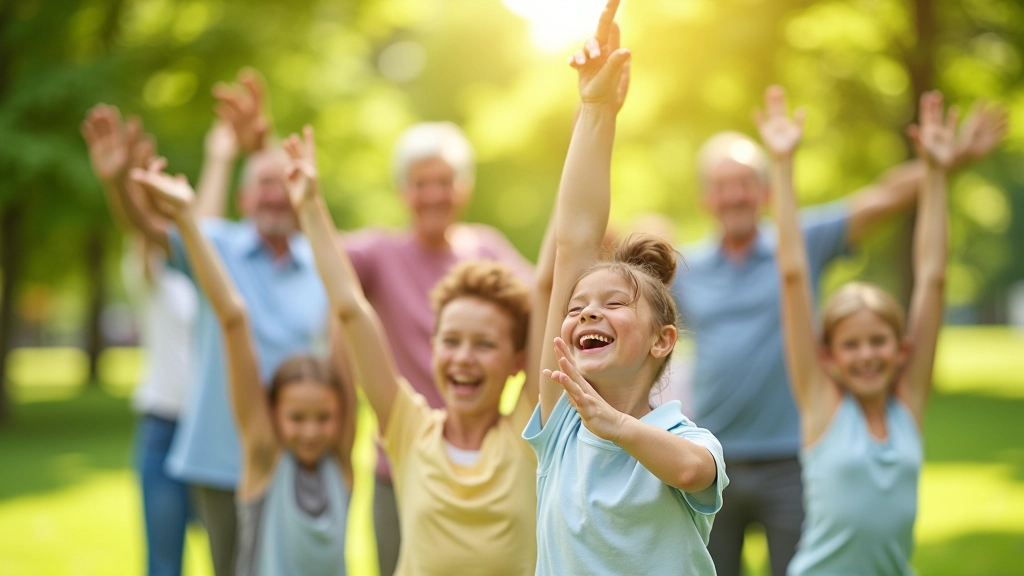
Activities That Actually Work
These aren't theoretical suggestions. They're programs that have real families showing up consistently.
Walking Groups
Slowest pace wins. We're not talking speed walking here. A good multigenerational walking group moves at 2.5-3 mph max. Pick a flat, scenic route — parks work better than streets. Make it social. People show up because their friends are there, not because they're tracking steps.
Water Aerobics
The equalizer. Water is kind on aging joints and teenagers don't feel like they're "exercising." It's just moving around in the pool. Shallow end works fine. Sessions run 45 minutes with music — mostly because the music keeps people engaged more than the actual workout does.
Dance Classes
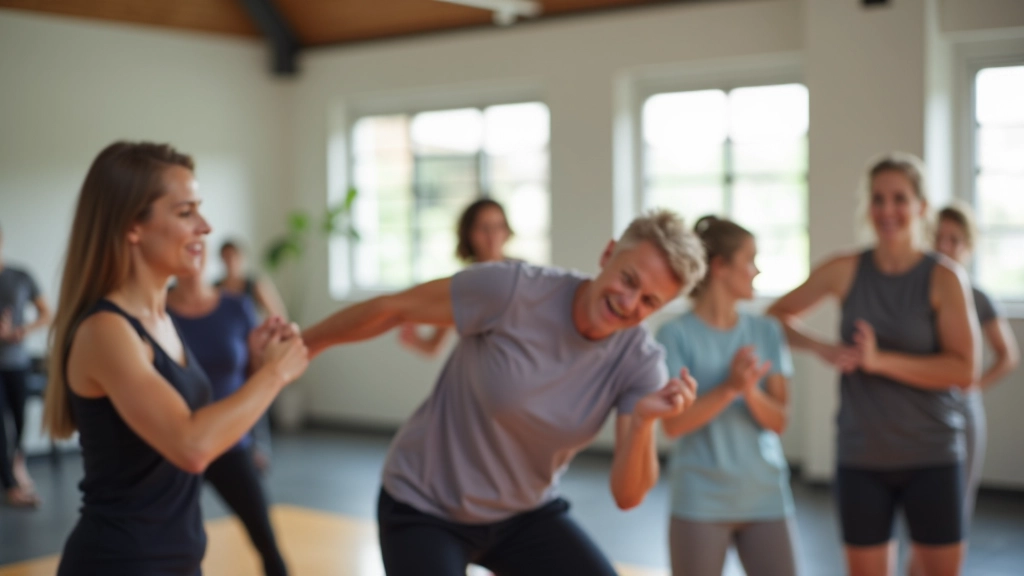
Movement doesn't feel like fitness. Zumba, line dancing, even basic choreography — when there's music and rhythm, people don't think about calories or intensity. You'll see 60-year-olds dancing next to 12-year-olds without anyone feeling awkward about the age gap.
Light Strength Training
Lighter than you'd think. Bodyweight exercises, resistance bands, light dumbbells (2-5 pounds). The goal isn't building muscle — it's maintaining function. Mix it with stretching and mobility work. Sessions should be 30-40 minutes max because attention spans and energy levels vary widely.
Nature-Based Movement
Hiking, trail walking, outdoor exploration. The activity isn't the point — being outside together is. Families move naturally when they're discovering something. Shorter trails (1-2 miles), frequent water breaks, and no time pressure make all the difference.
Community Events
5Ks with no time pressure, community fun runs, or organized walks. It's the gathering that matters more than the fitness. Families participate together, volunteers support them, and afterward there's usually food and socializing. That's why people keep coming back.
What Makes These Programs Stick
It's not about intensity. Programs that work for multigenerational groups share three core things: they're low-pressure, they build community, and they're sustainable for bodies at different fitness levels.
Timing matters more than you'd expect. Early morning (7-8 AM) works for retirees who're used to early routines. Weekend mornings (9-10 AM) catch families before other activities. Evening programs struggle because schedules get chaotic. You'll see 60% better attendance with consistent, same-time sessions.
Duration should be 45-60 minutes total. That includes a 5-minute warm-up, 30-40 minutes of actual activity, and 10 minutes for stretching or cooldown. Anything longer and the youngest participants lose focus. Anything shorter and people feel cheated.
The honest truth: Most people show up because someone they know will be there. Build community first, fitness second. The exercise is the excuse to gather.
Making It Actually Happen
These are practical steps from programs that are actually running successfully.
Start with a core group
Don't try to launch with 50 people. Find 4-6 families who're interested, start there, and build. Word spreads through families more reliably than marketing.
Schedule consistently
Same day, same time, every week. People build it into their routine. Changing the schedule kills momentum — we've seen it happen repeatedly.
Keep the vibe relaxed
No timers, no performance tracking, no leaderboards. This isn't competition. Someone will always be slower or less fit — that's fine and normal.
Plan for breaks and socializing
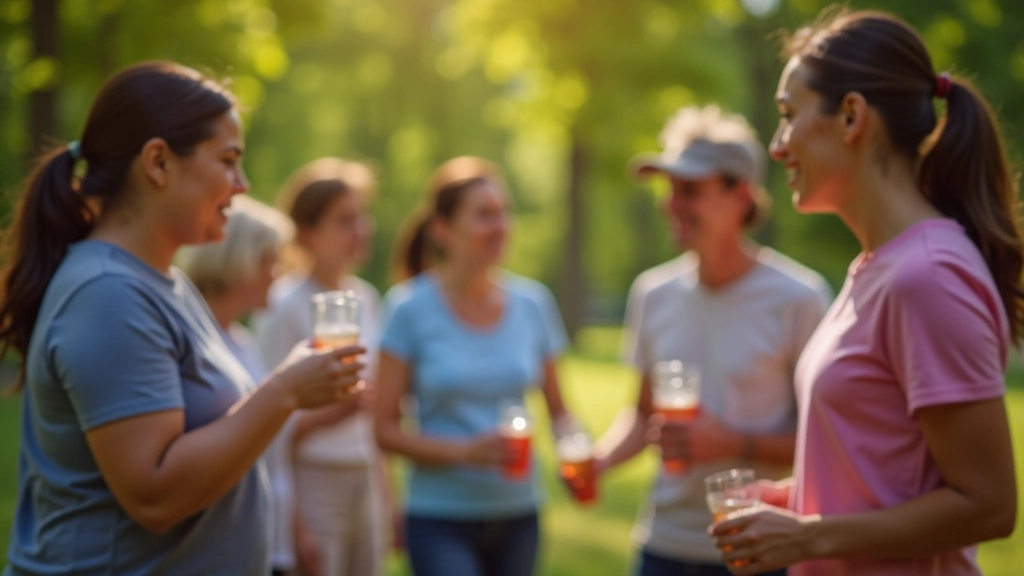
Built-in time to chat before and after is part of the program, not extra. People stay for the community, not just the exercise.
Have a backup plan
Bad weather? Rain date, indoor option, or virtual session. Missing just one week can break the habit for some families.
Celebrate small wins
Someone showed up after a month of not coming? That's worth acknowledging. Someone tried something new? Great. Celebrate consistency, not performance.
The Real Point of Moving Together
Fitness programs for multigenerational families aren't really about fitness. They're about creating reasons for families to spend time together in an environment where it's normal and expected. Grandparents stay connected with grandkids. Parents find other adults who get it. Kids see that movement is something people do together, not something to be forced or feared.
The programs that succeed are the ones that remember this. They keep the intensity reasonable, the community strong, and the vibe welcoming. They understand that consistency matters more than intensity. They know that showing up week after week — even at a slow pace, even on tough days — is what actually works.
If you're thinking about starting something like this, don't overthink it. Pick an activity everyone can do. Find a consistent time and place. Invite a few families. Then get out of the way and let the community build itself.
Ready to Get Started?
The first step is just showing up with people you care about and moving together. That's it. Everything else follows from there.
Explore More Family ActivitiesImportant Note
This article is educational and informational only. It's not medical or fitness advice. Before starting any new exercise program, especially with older adults or anyone with health concerns, consult with a healthcare provider. Every person's fitness level and ability is different. What works for one family might need adjusting for another. Listen to your body, modify as needed, and prioritize safety and enjoyment over performance.