
Weekend Hiking & Outdoor Adventures for Mixed Ages
Finding trails that don't bore the teenagers but won't exhaust grandparents. Plus tips for making outdoor days actually fun instead of a forced march.

Why Mixed-Age Hiking Actually Works
Here's the thing — you don't need everyone to be the same age or fitness level for a hike to be genuinely enjoyable. It's not about finding the perfect trail that magically fits everyone. It's about understanding what each generation actually wants from a day outside.
Teenagers want movement, a bit of challenge, and honestly? A break from their phones. Adults aged 40-60 want scenery, a manageable pace, and conversations that aren't interrupted by car horns. Grandparents want to feel capable, see something beautiful, and maybe sit down without feeling like they're holding everyone up.
The secret isn't finding one perfect trail. It's designing the day around what actually keeps people engaged and happy.

Choosing Trails That Actually Work
The trail selection makes or breaks the whole experience. You're not looking for one "medium difficulty" path — you're looking for loops or out-and-back routes where people can bail at different points without feeling like quitters.
A 4-mile loop works perfectly. Here's why: the main loop takes about 90 minutes for a mixed group. But there's a 1.5-mile shortcut that cuts through the middle. Grandparents and younger kids take the shortcut. The teenagers and their parents do the full loop. Everyone starts together, takes photos at mile 2, then people head off on their chosen route. You all meet back at the trailhead.
Look for trails with:
- Multiple viewpoints or rest spots (every 15-20 minutes)
- Water access or a creek (kids and dogs love this)
- Shaded sections for hot days
- Clear markers so nobody gets lost on shortcuts
- Relatively flat elevation gain (under 600 feet for mixed ages)

Pace, Breaks, and Snack Strategy
Pacing is where most family hikes fall apart. Someone moves too fast, someone else feels rushed, and within an hour you've got tension instead of bonding.
Start slower than you think necessary. The first 20 minutes, you're still warming up. After 20-30 minutes, stop for water and a snack. This isn't weakness — it's strategy. Built-in breaks mean nobody's exhausted, everyone's got energy to chat, and you've got natural stopping points for photos.
Bring better snacks than you'd normally pack. Cheese, nuts, fruit, granola bars — things with protein and fat, not just empty carbs. A person who ate a granola bar 45 minutes ago is infinitely happier than someone running on fumes. Plan for a substantial snack break around the 90-minute mark. Thirty minutes. Everyone sits. Everyone eats something real.
Before You Go: The Actual Preparation
The difference between a hike people remember fondly and one people complain about for months? Two hours of prep work.
Scout the trail yourself if you can. Walk it at the pace your slowest person will hike. Note where the shade is, where the viewpoints are, where the trail gets rocky or muddy. You'll know exactly where people will need encouragement or where they'll naturally want to stop.
Share the route plan with everyone a few days before. "We're doing the 4-mile loop, but there's a 1.5-mile shortcut at mile 2. Here's where we're stopping for snacks. Here's how long it'll take." People aren't anxious about unknowns when they know the plan.
Check weather 3 days out, then again the morning of. Have a backup plan. Not every hike needs to happen in light rain or 92 degrees. Postponing isn't failure — it's wisdom.
When Things Get Tricky
Not every hike goes perfectly, and that's okay. Here's how to handle the most common situations.
Someone's Struggling Pace-Wise
Don't slow everyone down dramatically — it creates resentment. Instead, one person stays with them, you take a longer break, or they genuinely take the shortcut. No shame. You still did the hike together.
Teenagers Think This is Boring
Give them a challenge. "See if you can spot three different bird species." "Take photos of the best views." "Find the steepest part and time how long it takes to climb." They want engagement, not just walking.
Older Adults Get Tired
This isn't unexpected — it's normal. Have trekking poles available (they reduce knee stress by 25%). Take more breaks. Don't view it as failure. They're getting exercise and fresh air with family. That's the win.
Weather Gets Worse
If it's deteriorating, turn back. Seriously. A shorter hike with everyone happy beats a full hike with people miserable or unsafe. You can always try again next weekend.
The Essentials Checklist
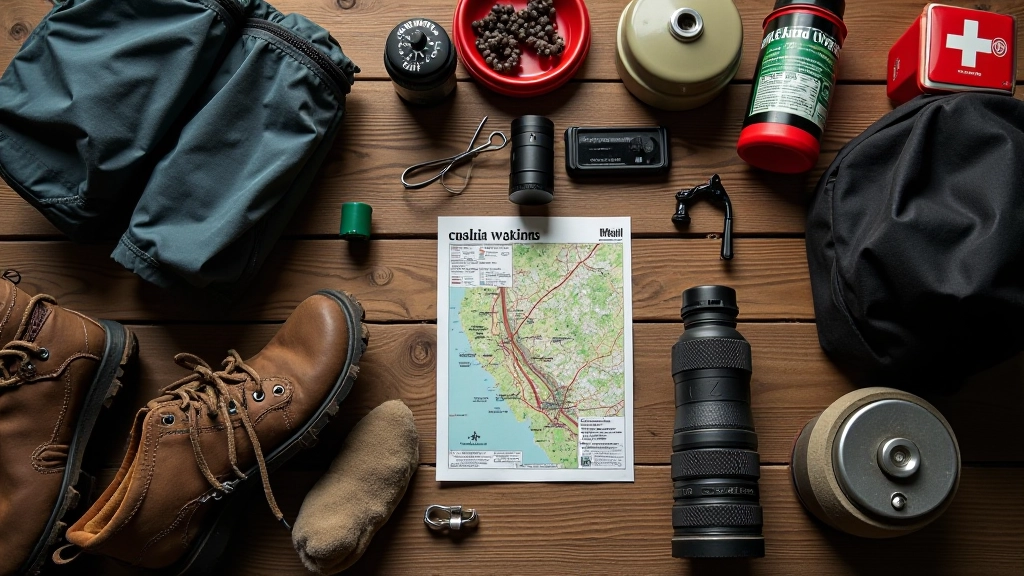
You don't need fancy gear. You need the right basics.
The Real Goal Here
Multi-generational hikes aren't about covering miles or reaching peaks. They're about spending a few hours outside with people you care about, moving your bodies, and not being on screens.
When you nail the planning — the right trail, realistic pacing, good snacks, and genuine flexibility — something clicks. You'll get conversations that don't happen at home. You'll see teenagers actually engaged instead of tolerated. Grandparents will surprise you with their capability. Parents get a break from managing everything.
Start with short hikes. Two miles. One hour. Build from there. Your first mixed-age hike doesn't need to be ambitious. It just needs to work.
About This Guide
This article provides general information about planning multi-generational hiking activities. Individual fitness levels, health conditions, and capabilities vary significantly. Always consult with healthcare providers before starting new physical activities, especially for older adults or anyone with existing health concerns. Trail conditions change seasonally and with weather. Check current trail reports and weather forecasts before heading out. Start with shorter, easier trails to build fitness and familiarity. Outdoor activities carry inherent risks — proper preparation, appropriate gear, and realistic planning reduce these risks but don't eliminate them.