Community Volunteer Projects That Bring Families Together
Finding volunteer opportunities that work across generations isn't always easy. We've compiled what actually works — from food banks to park cleanups to mentoring programs.
Why Volunteer as a Multi-Generational Family?
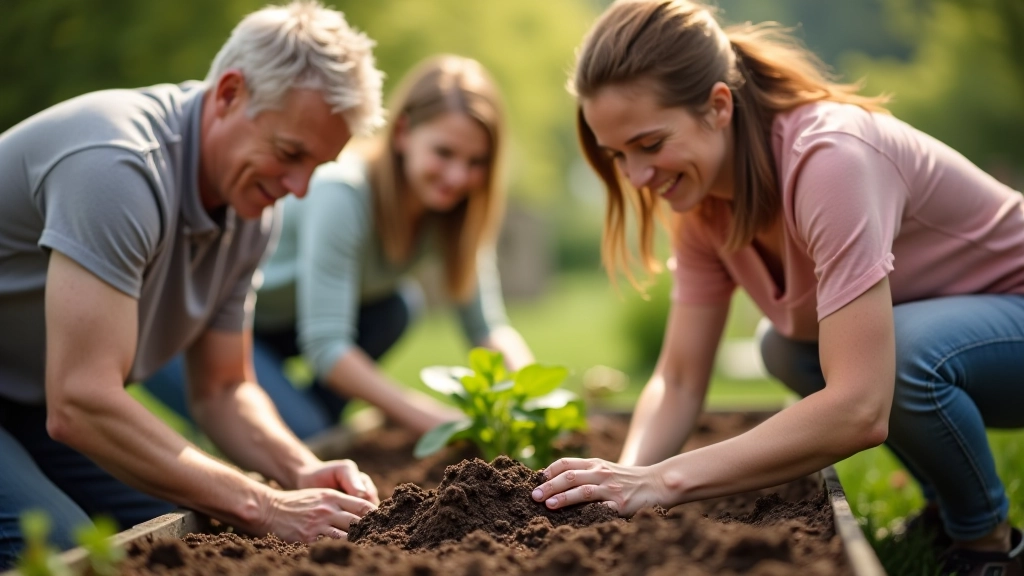
Volunteering together does something regular activities can't quite match. Your 13-year-old and your 60-year-old parent aren't just in the same room — they're working toward something bigger than themselves. You'll see real conversations happen. The kind that wouldn't happen over a regular family dinner.
We're not talking about forced bonding or awkward moments. The best volunteer projects give everyone a real job to do. Grandparents bring patience and experience. Teenagers bring energy and fresh ideas. Parents keep everything organized. Each person matters, and everyone notices.
Plus, it teaches something you can't get from a textbook — that effort and community actually connect. Your kids see their grandparents as capable, engaged people. Your parents feel needed. And you've all made something better together.

Projects That Actually Work Across Ages
These aren't hypothetical — they're tested with real families where the youngest is 12 and the oldest is in their 60s.
Food Banks & Community Pantries
This is the reliable choice. Food banks need sorting, boxing, labeling, and loading. Everyone can do something useful. Teenagers can lift boxes. Grandparents can sort items and check dates. Parents can organize workflow. A 3-hour Saturday morning feels productive because you can actually see what got packed — maybe 400-500 boxes on a good day.
The physical work is straightforward. There's clear progress. And you're not worried about someone feeling left out because there's always another task that fits any ability level.

Park & Trail Restoration
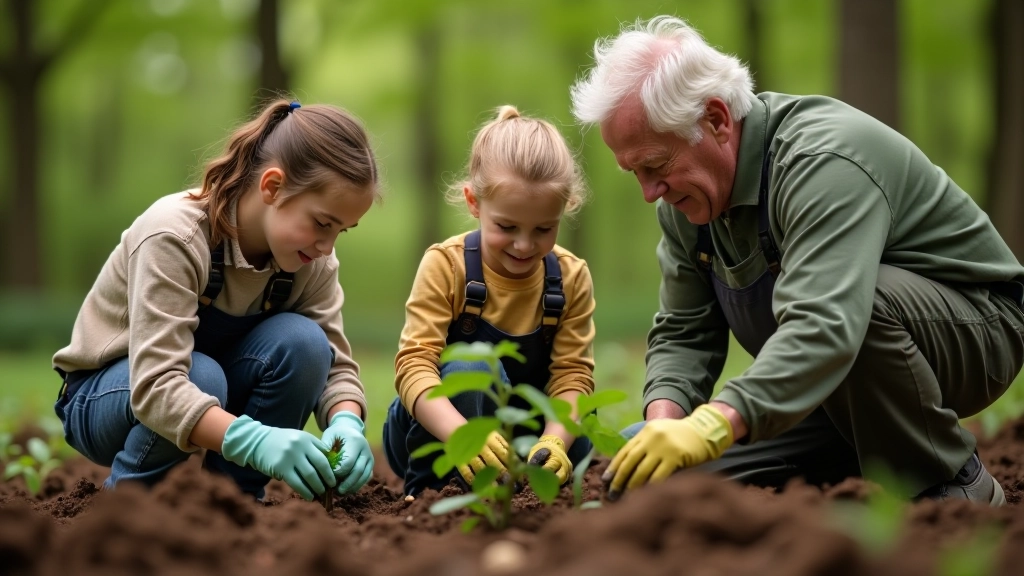
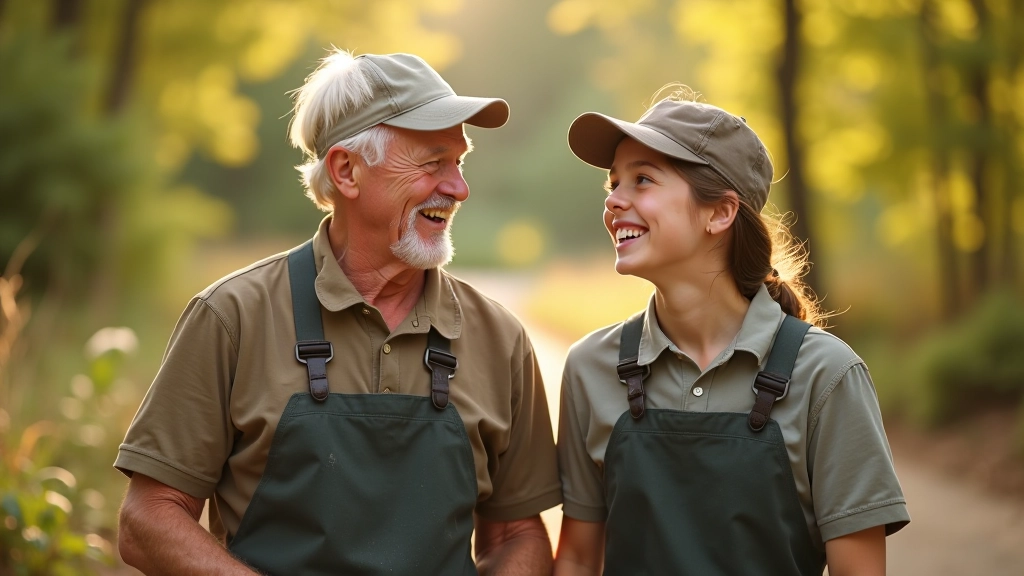
Parks need weeding, planting, mulching, and trail maintenance. You're working outside, which changes everything. The work is visible. You can step back and see what you've actually accomplished. If your group plants 50 native plants one morning, you can point to exactly where they are the next time you visit.
The pace is flexible. Nobody's rushing. Older volunteers can sit and work on plants in containers. Younger people handle the digging and heavy mulch bags. Parents manage the project layout. And there's always time for conversation when you're working side by side in a garden.
Mentoring & Reading Programs
If your family wants something less physical, reading programs at schools or libraries work well. One teenager reads to younger kids. A grandparent listens and helps with difficult words. A parent handles the logistics and takes photos. Everyone contributes differently.
This works especially well if your group has a range of energy levels. You're indoors. There's a structured schedule. Kids benefit from having multiple adults engaged with them. And it builds genuine relationships over weeks, not just a one-day effort.

Making It Actually Work: What We've Learned
These aren't rules. They're patterns from families who've figured out what doesn't create tension or exhaustion.
Keep It to 3-4 Hours
This is the sweet spot. Long enough to feel like you accomplished something real. Not so long that someone's exhausted or getting frustrated. Most projects wrap at this length before energy dips.
Everyone Gets a Specific Job
Don't just show up and ask "what should we do?" Assign tasks before you arrive. This prevents the awkward "I don't know where I fit" feeling. Your teenager sorts, your parent supervises quality, your grandparent checks accuracy.
Plan Food & Water Afterward
Not during the volunteer work. After. That's when conversations actually happen. You're tired, satisfied, and sitting together. Pizza or a picnic lunch shifts the whole experience from "we worked" to "we did something together."
Make It Regular, Not One-Off
Monthly is better than random. Your body adapts. You learn the project better. You build relationships with the other volunteers. After 3-4 times, it stops feeling like a special event and becomes something you actually do together.
Celebrate Small Wins
Point out what you did. "We packed 450 boxes today" or "These plants we put in last month are already growing." It's not bragging. It's acknowledging that effort matters. Your 14-year-old needs to hear that their work was valuable.
Skip the Lecture
You don't need to explain the impact or the why. Just show up and do the work. The learning happens naturally. Your grandchild sees that help is needed and people show up. That's the whole lesson right there.
Where to Actually Find These Opportunities
You don't need a specialized agency. Start with places you already know exist in your community. Local parks departments have volunteer coordinators. Schools need help with everything from reading programs to playground maintenance. Food banks actively recruit because they're always short-staffed.
Call ahead. Tell them you're coming with multiple generations. The best coordinators will work with you to find a task that fits. If they act confused or unwelcoming, that's your signal to try somewhere else. Good volunteer programs actively want families.
Look for projects that have been running for years. New projects are still figuring things out. Established ones have systems. They know how to use volunteers effectively. You'll have a better experience, and so will the people you're helping.
The Real Outcome
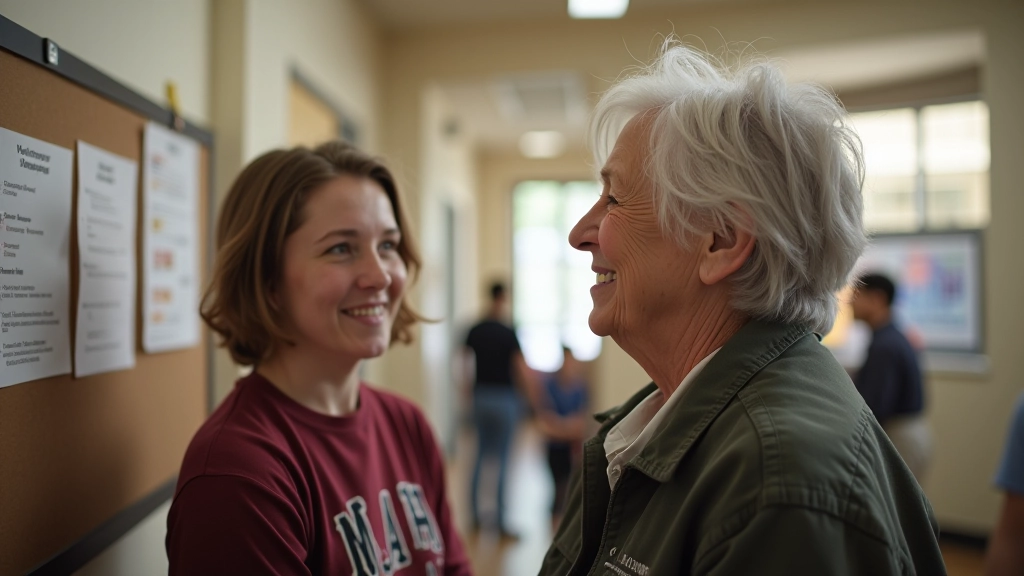
Volunteering together doesn't solve every family dynamic. But it does something specific. It puts you all on the same team working toward something outside yourselves. You're not negotiating screen time or arguing about grades. You're solving a real problem together.
Your 60-year-old parent isn't performing "wisdom" or advice-giving. Your teenager isn't performing rebellion or indifference. You're all just working. And in that work, something shifts. You see each other more clearly. You realize your parent has physical limitations you didn't fully notice. Your kid has more capability than you expected. You're all just humans doing useful work.
That's not guaranteed to happen every time. But it happens enough that families come back. They volunteer again the next month. They start looking for other projects. And eventually it becomes just what you do together — the same way some families have dinner together, you volunteer together. It's not special anymore. It's just what your family does.
A Note on Volunteer Safety
Volunteer work varies significantly by organization and project type. Before committing your family, confirm that the project is appropriate for your group's physical abilities and age ranges. Ask about training, safety equipment, and supervision. Established volunteer programs will have clear information about these details. If an organization can't explain their safety practices, that's a red flag. Your family's wellbeing comes first — a project isn't worth it if someone gets hurt or feels uncomfortable.