Planning Your First Multi-Generational Picnic
Creating memorable outdoor gatherings where grandparents, parents, and kids all have genuine fun together — practical strategies that actually work.
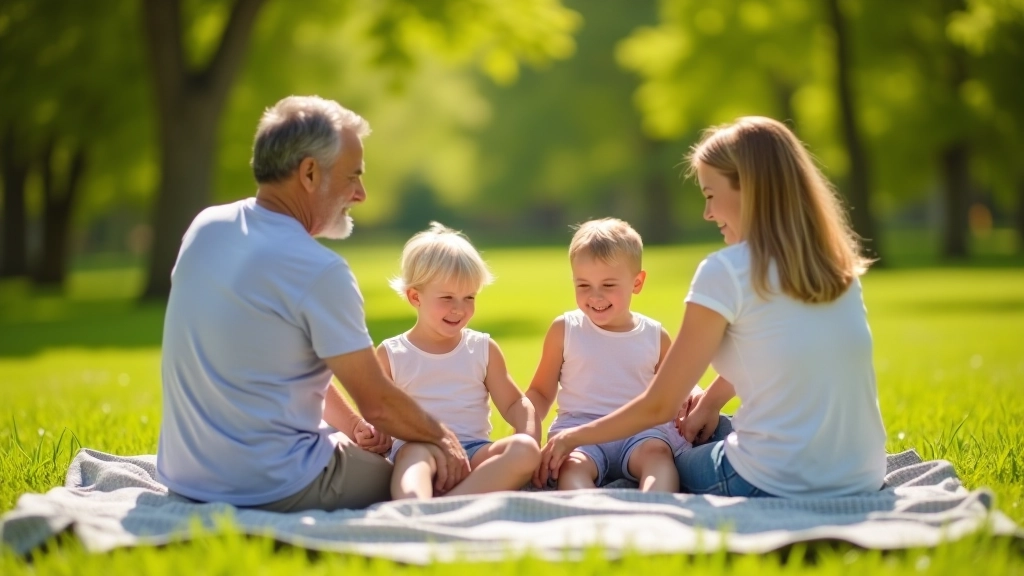
Multi-generational picnics aren't just about spreading a blanket and hoping everyone gets along. There's real planning involved — but it's totally manageable once you know what actually works.
The challenge? What entertains a seven-year-old can bore a teenager. What grandparents enjoy might exhaust young kids. But here's what we've learned: when you plan around the middle ground and build in flexibility, something pretty special happens. Everyone actually has a good time.
We're talking about real gatherings where your 55-year-old aunt isn't stuck watching the food while kids run wild, and your grandpa gets to do more than just sit in a chair. This guide walks you through the actual decisions that matter.
Choosing a Location That Works for Everyone
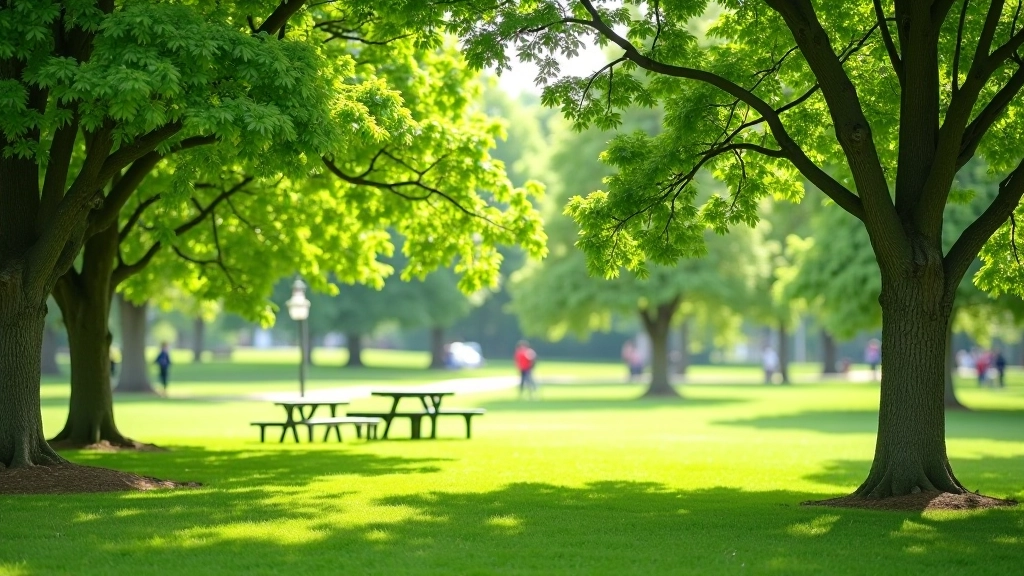
The park isn't just "a park." You need a spot that hits three requirements: accessibility for older adults, something engaging for kids, and reasonable amenities for everyone.
Walk the location beforehand if you can. Note the actual distance from parking to your picnic spot — sounds obvious, but a 200-meter walk feels completely different to a 70-year-old than it does to a 12-year-old. You want shade options. Don't assume there'll be enough trees. And check if there's actual bathroom facilities, not a port-a-potty from 1987.
Aim for parks with:
- Accessible parking close to picnic areas
- Multiple shade spots (trees, shelters, or gazebos)
- Playgrounds or open space for active kids
- Walking paths for people who want to move around
- Clean restroom facilities
Pro tip: Go on a weekend at the time you're planning your picnic. See how crowded it gets. Nothing kills a multi-generational vibe like fighting 200 other families for a parking spot.
Food That Actually Pleases Multiple Ages
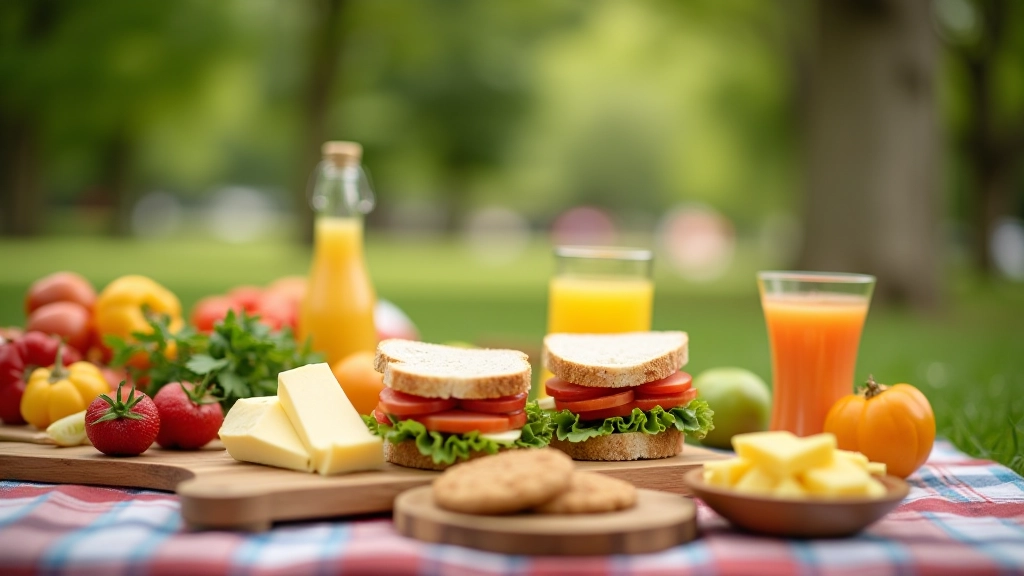
Don't try to cook anything fancy. The goal is simple food that doesn't require heating, doesn't go bad in 90 minutes, and doesn't have ingredients that exclude anyone's dietary preferences.
Successful picnic foods tend to be things you can assemble yourself. Sandwiches beat pre-made salads. Cheese and crackers beat complicated dishes. Fresh fruit beats anything that needs utensils. The reasoning is simple: people eat what they actually enjoy, and they're not waiting around hungry.
Here's what consistently works:
- Build-your-own sandwiches (turkey, ham, cheese, vegetables, bread options)
- Fresh fruit cut into actual bite-size pieces — not whole apples
- Vegetables with hummus or ranch (people eat these when they're easy)
- Cheese, crackers, nuts (satisfies snackers of all ages)
- Cookies or simple desserts that don't melt
- Water, juice, and regular coffee (not craft beverages)
Skip the elaborate salads. Skip the dishes that need to stay cold or warm. Your job is feeding people, not impressing them with culinary skills.
Games and Activities That Work Across Ages
The key here is having options, not forcing everyone to play the same game. Different people will want different things, and that's actually fine.
Walking and Exploring
Not a "game" but honestly the most popular multi-generational activity. Someone wants to walk the trail. Someone else wants to look for interesting rocks. Grandparents get exercise. Kids get adventure. Takes zero prep.
Lawn Games
Frisbee, cornhole, badminton, or giant Jenga. Low stakes, low effort, and people can opt in or out. A seven-year-old and a 60-year-old can play together. You're not keeping score — it's just moving around.
Card or Board Games
Bring something simple like Uno, Apples to Apples, or regular card games. Teenagers might actually sit down for this. Older adults usually love it. You've got a natural gathering point at the picnic table.
Music and Conversation
Bring a small speaker, some playlists everyone can tolerate. Create actual space for people to just sit and talk. Don't underestimate how much people enjoy this part.
Timing and Logistics That Matter
Start around 11 AM if you're doing lunch. This gives people time to arrive, settle in, and actually eat while food is still good. Plan to wrap up by 4 PM — that's about five hours, which is perfect. Long enough for genuine connection. Short enough that nobody's exhausted.
Send the invite at least two weeks ahead. Older adults often have doctor appointments, and working parents need planning time. Tell people exactly what you're providing (lunch, drinks, games) so they know whether to eat beforehand.
Assign specific tasks. Don't hope someone brings plates — ask Sarah to bring plates and napkins. Don't assume someone will organize activities — ask Tom to bring cornhole. People follow through when asked directly. When you assume, you end up with no ice and no utensils.
Show up 30 minutes early. You'll want to find the best spot, check that facilities work, and set up in peace before everyone arrives.

Practical Details Nobody Mentions
Seating and Shade
Bring folding chairs for older adults. Don't assume they can sit on the ground or eat standing up. One pop-up canopy or beach umbrella makes a real difference when the sun gets intense.
Trash and Cleanup
Bring garbage bags. Multiple ones. Leave the park cleaner than you found it. People are way more willing to help if you're not asking them to hand-carry trash to distant bins.
First Aid and Comfort Items
Basic bandages, pain reliever, sunscreen. Someone will get a small cut. Someone will get a headache. Have these on hand. You'll be the hero.
Phone Numbers and Meeting Point
Decide where the actual picnic is happening. Parks are big. Send a specific location or landmark to everyone beforehand. Have people's phone numbers. It's not paranoid, it's practical.
Making It Actually Happen
"We started doing these quarterly. It's become the thing my kids actually remember about their grandparents — not Christmas gifts, but afternoons at the park where everyone just hung out together."
— Michelle, organizer of three successful family picnics
Multi-generational picnics work because they're simple. No fancy planning. No elaborate activities. Just food, a good location, some options for entertainment, and space for people to actually be together.
Your first one won't be perfect. You'll forget something. Someone will have a complaint. But here's the thing: it'll still be good. People will remember that you organized it. They'll want to do it again. And the second one? That's when you'll see the real magic.
Start with the basics. Pick a decent park. Send invites two weeks ahead. Bring simple food and some games. Show up early. That's genuinely all it takes.
Information Disclaimer
This guide provides general information about planning family picnics and is intended for educational purposes. Every family's circumstances are different. Individuals with specific health concerns, mobility limitations, or dietary requirements should consult relevant professionals before participating in outdoor activities. Always check local park regulations, weather forecasts, and facility availability before planning your event. The author assumes no responsibility for any issues that may arise from implementing these suggestions.